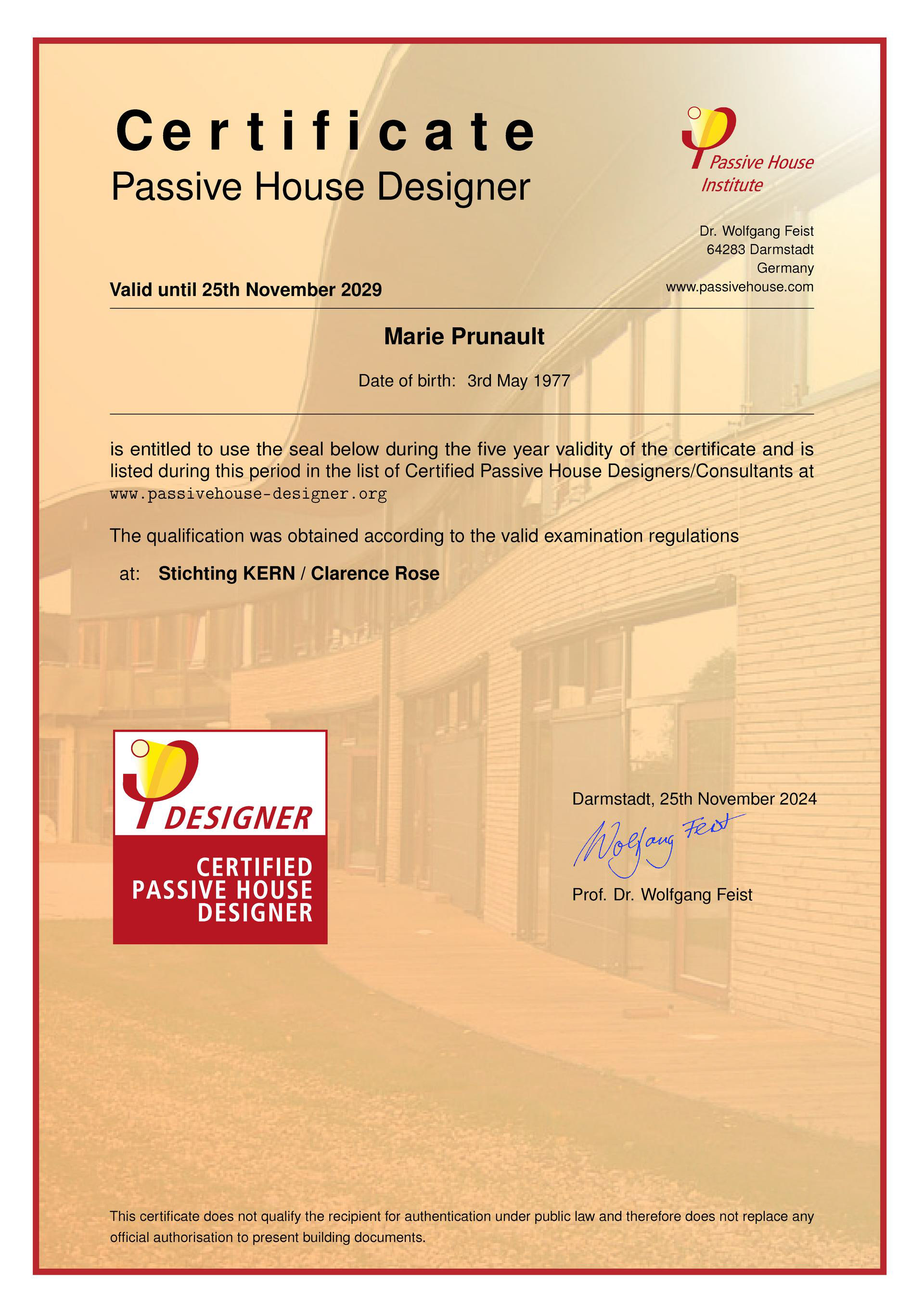
By late 2024 I have proudly earned my Passive House Designer certificate (https://passivehouse.com/en/home/). Today I am seeking an opportunity to put it in practice. I have followed the course and completed the exam in Dutch to both challenge myself on the language and learn the passive house methodology, with concern for the local regulatory context.
Initial motivations :
- I had done simulations with parametric tools but had no idea of what to aim for, and how to evaluate the results, guidance was much needed.
- We swim in an expanding pool of constraints and talks on principles, topped with unverified information, the whole grows discouraging after a while, at least for me, because of the accumulation of layers causing indigestion. Honestly I can't remember all. On my shelf was a book on passive house for 10 years. A proven system to build comfortable buildings using very little energy, tested through and through since 1996. I was tempted by a solid, contained approach backed by real physics calculations I could proceed myself as an architect. When I found out I could gain this expertise I went for it.
Follow up :
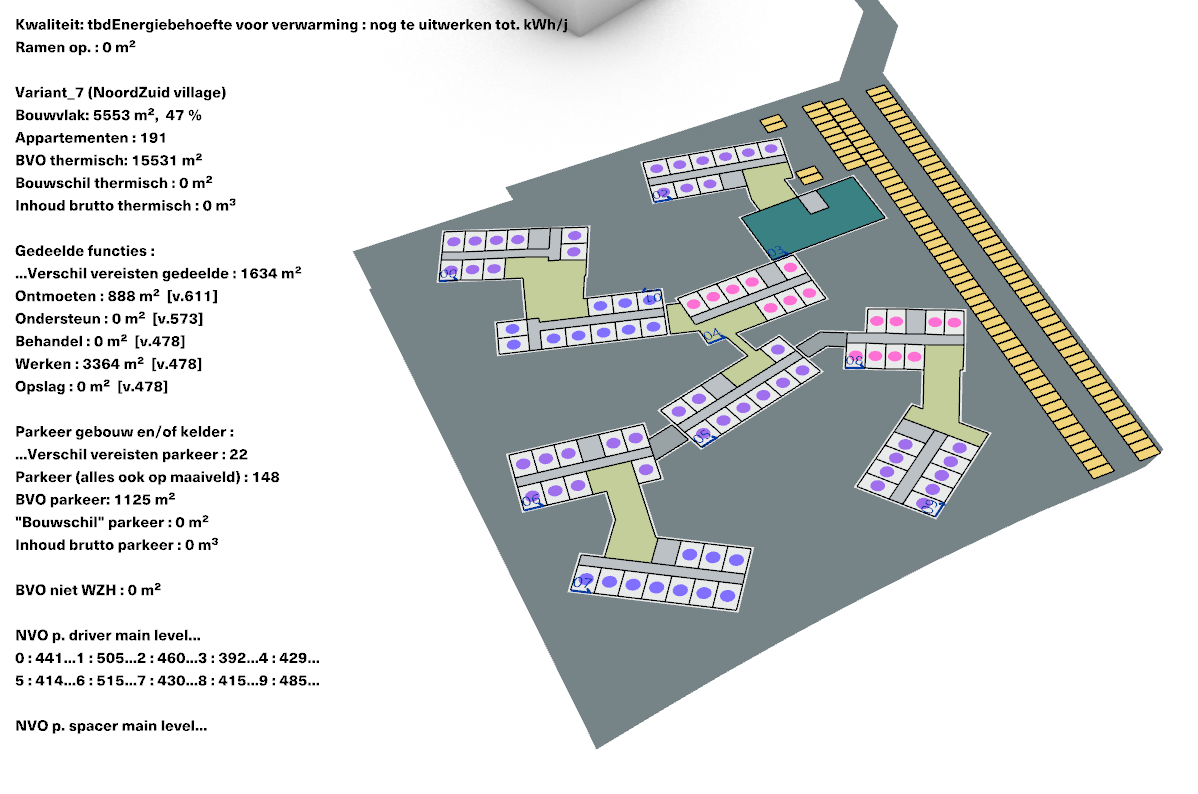
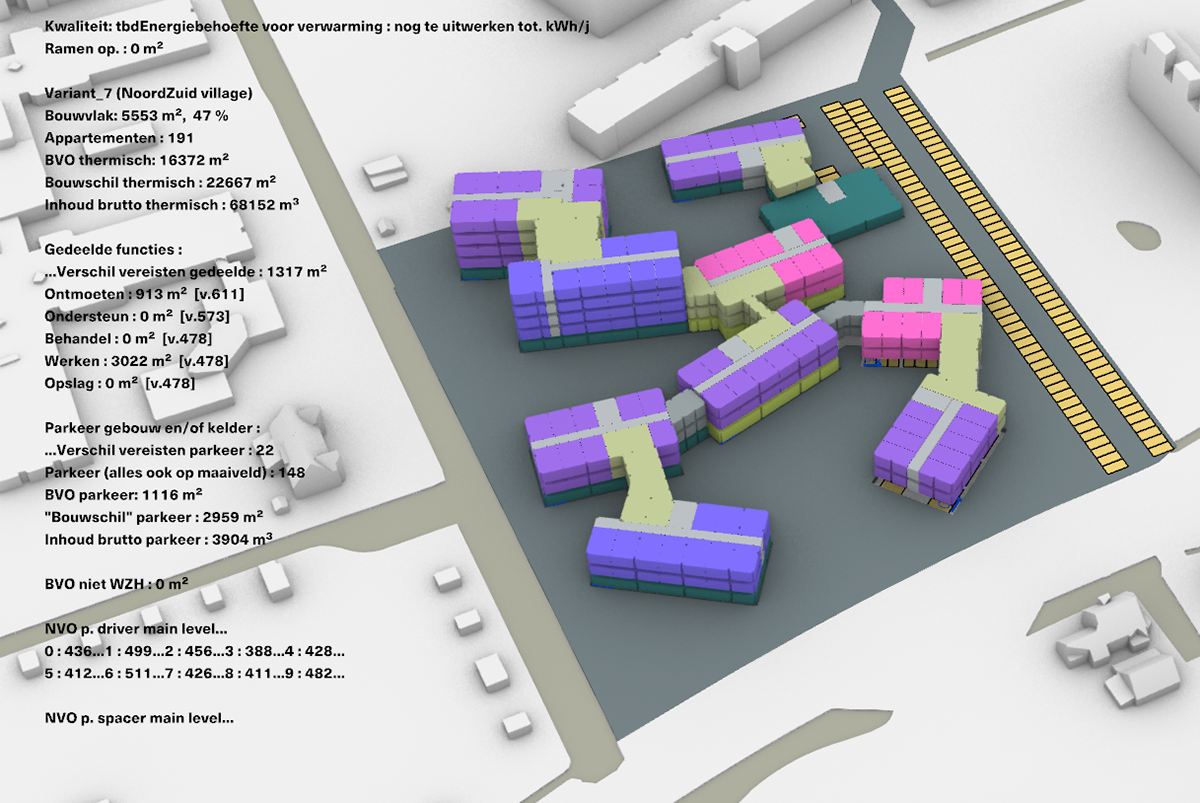
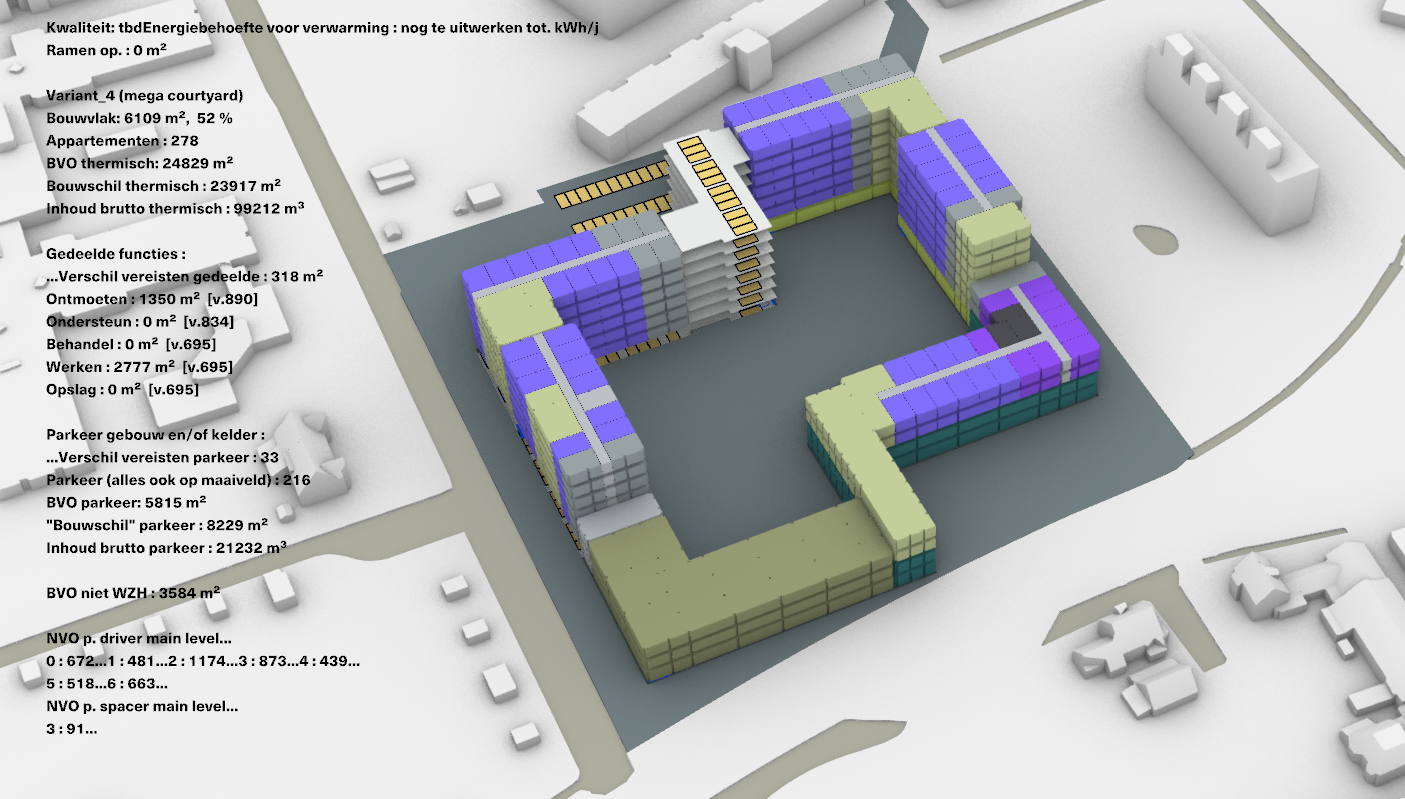
- At the same period I was working a pilot to parametrically generate large Nursing Homes (Woonzorg centrum 200 units) from programmatic requirements . Nothing with AI then, pure hand-made code. I had big plans for this but the needed depth for the research was misunderstood on the client side. He thought the delay was due to me using the wrong software, no way to make him realize I was actually building it from scratch. However I have continued, thinking it would be great to hook this on an automated process using the passive house methodology.
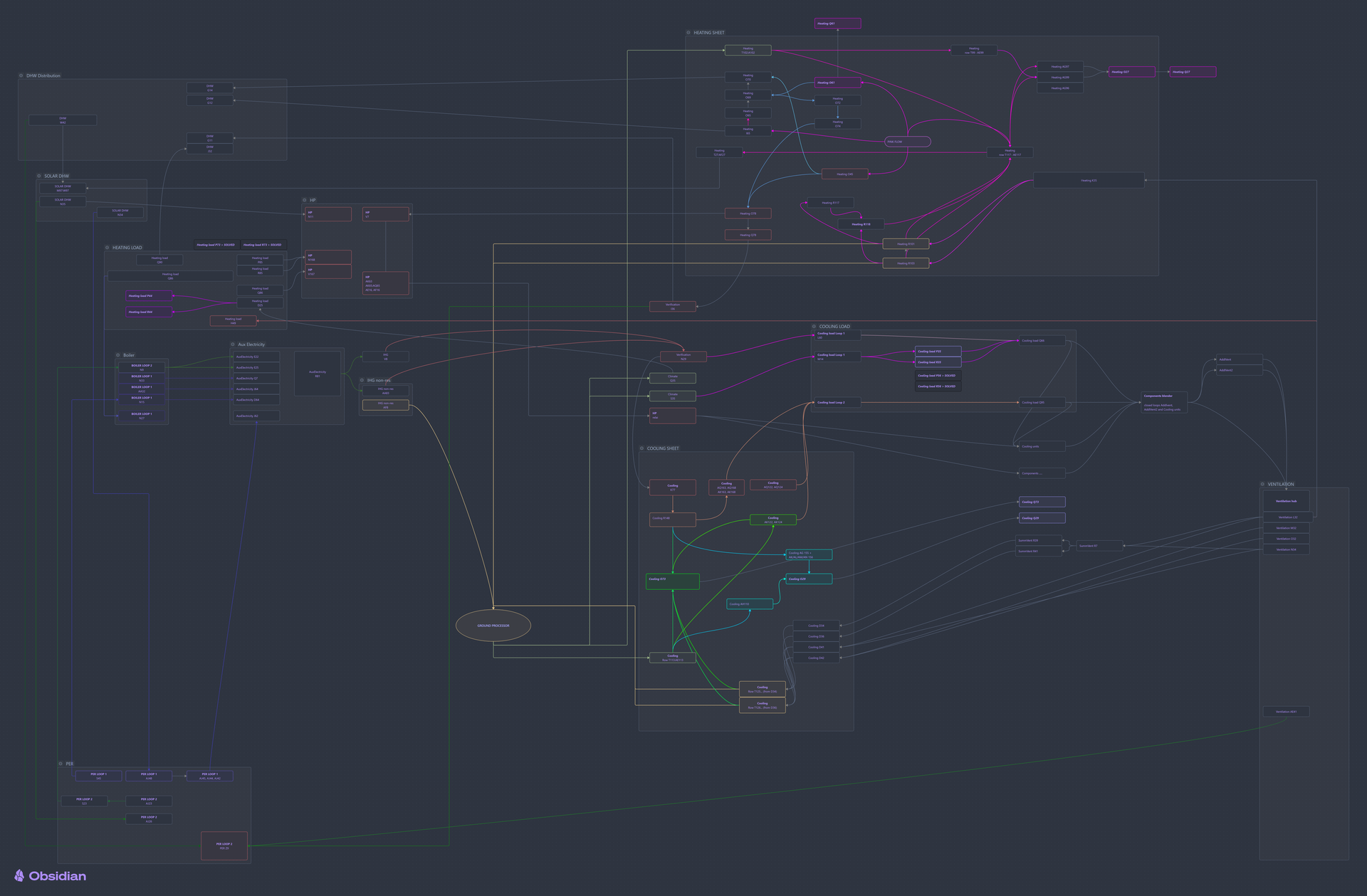
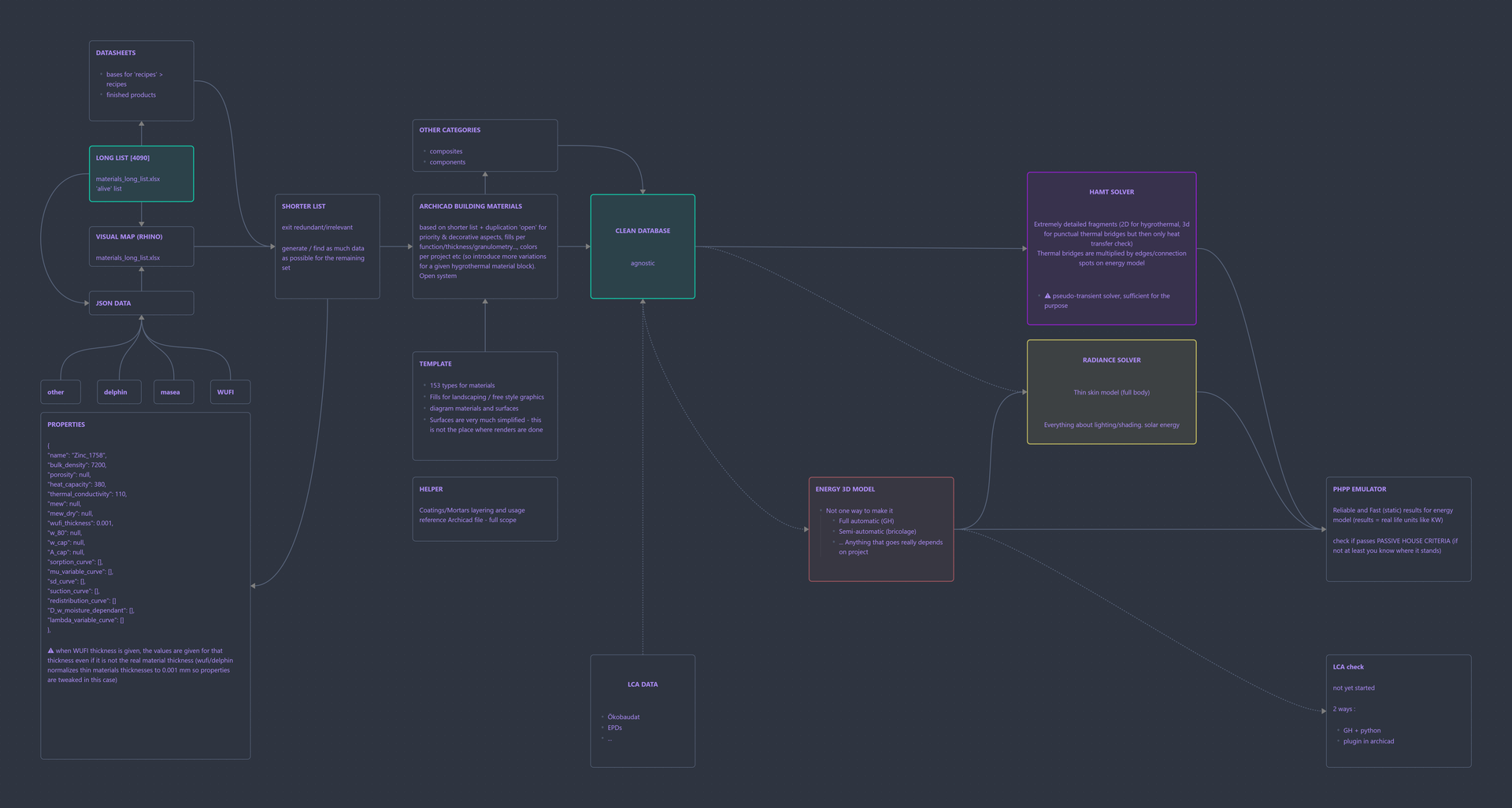
- It turned out to be an enormous task, and I battled a lot with LLM's assistance to get it right. It consists of modules : The project generator on one hand and a set of solvers for Passive house requirements, automatizing a very old-fashioned, yet accurate chain of calculations.
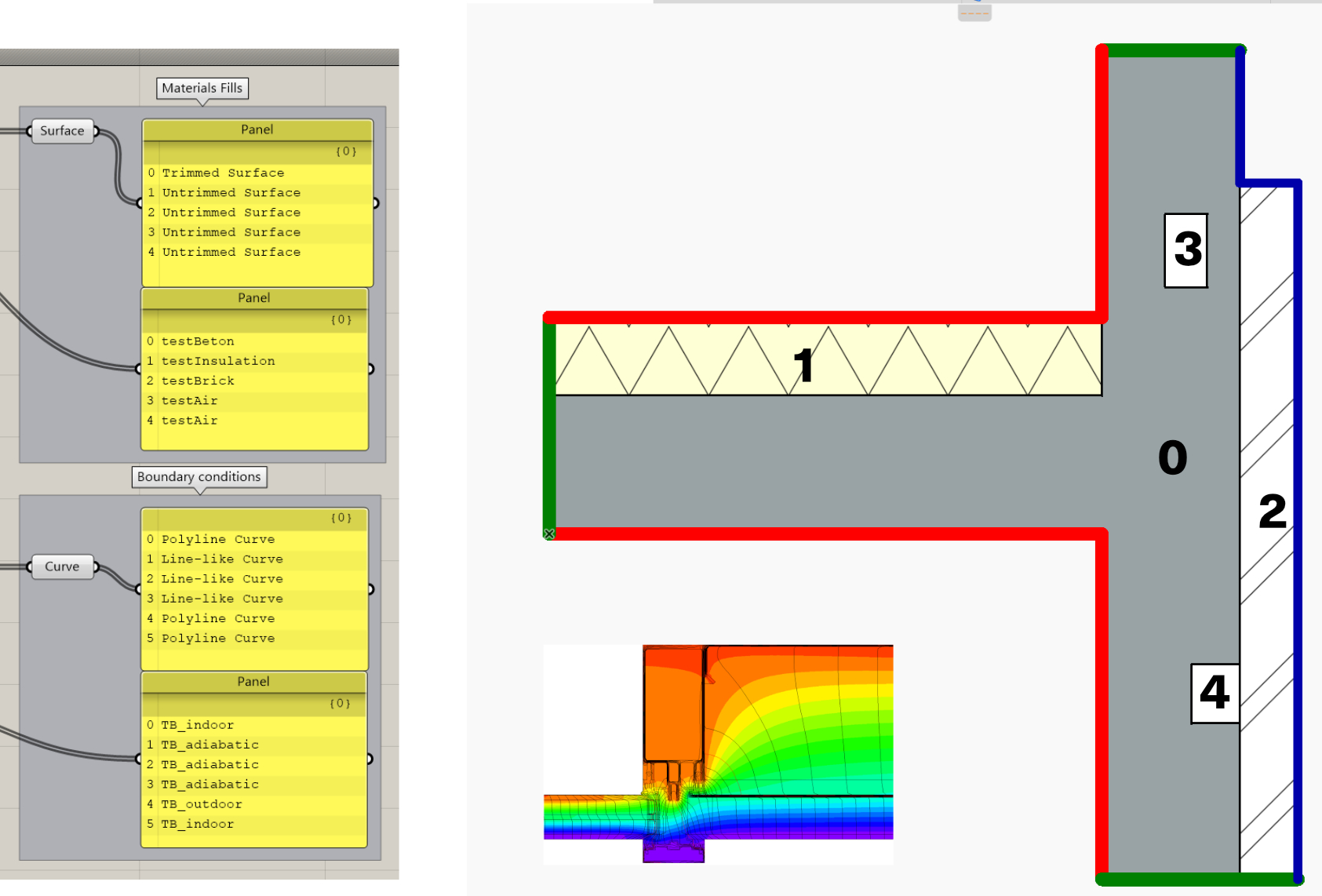
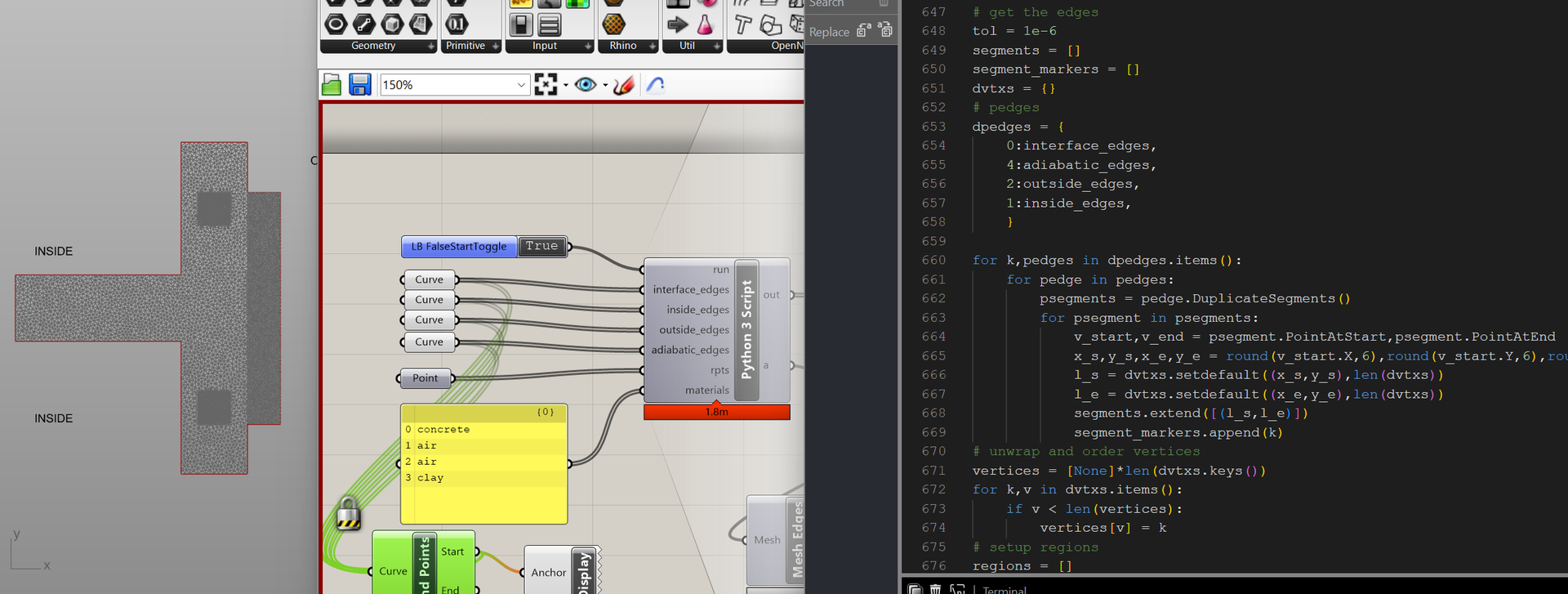
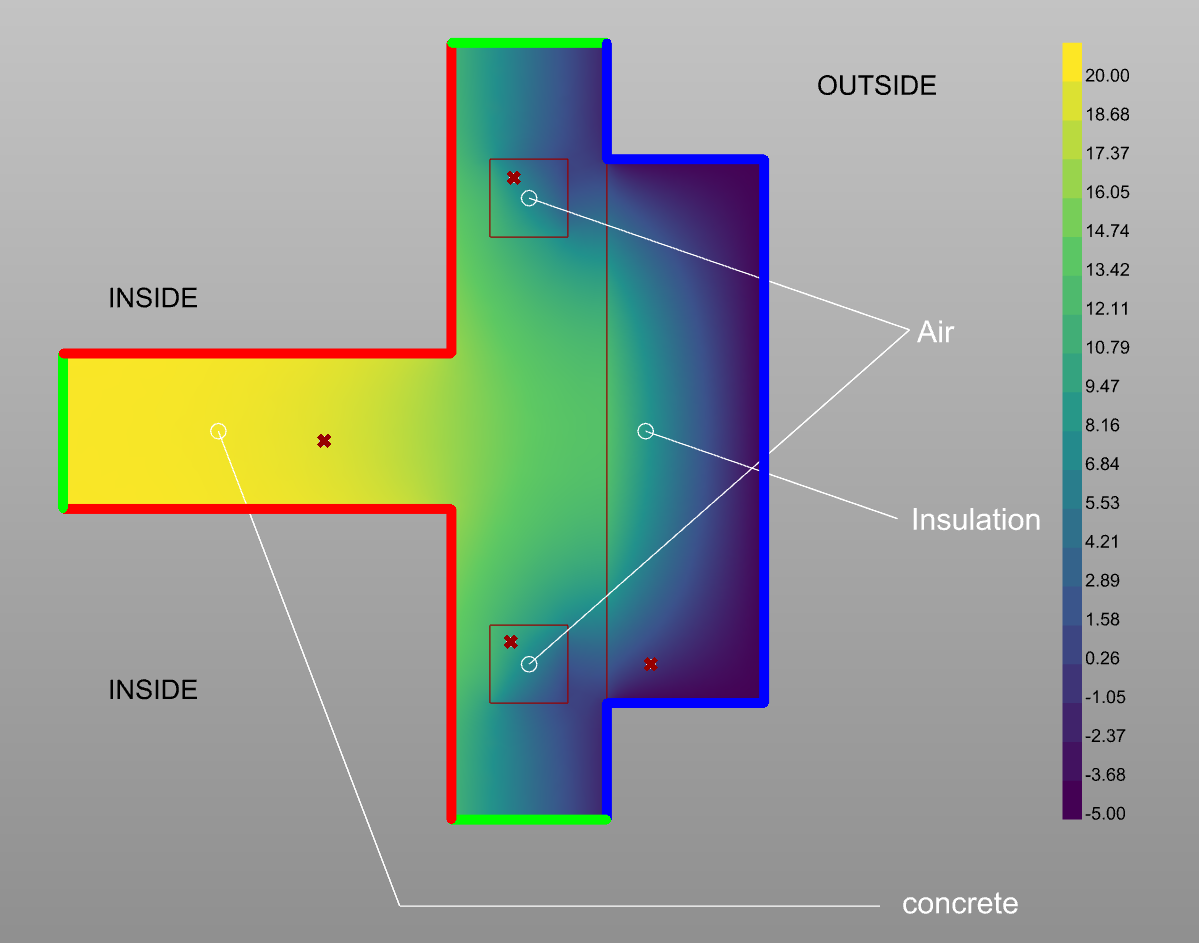
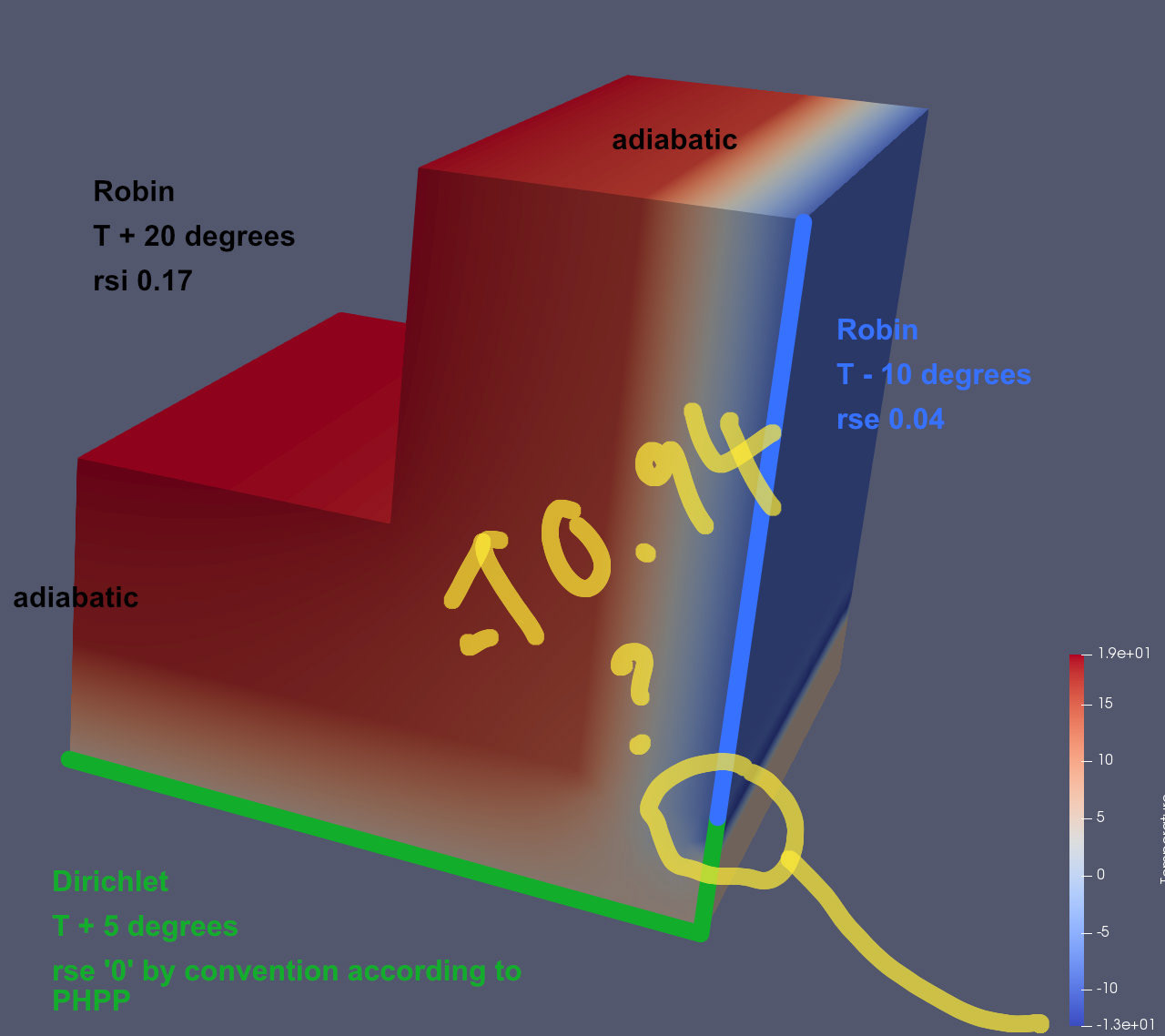
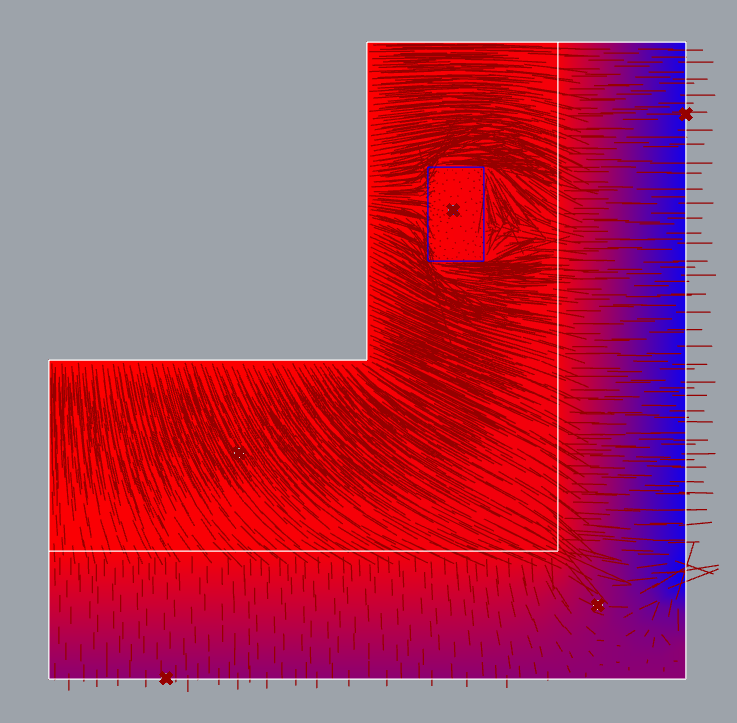
- Normally the Passive House checks are processed through an excel sheet (PHPP) and partly with a plugin Sketchup . Not very efficient to fill cells one by one or using Sketchup, it would be better to use directly the programs I use to model already. So I have built an autonomous 'calculator' version of PHPP, which can be plugged on a rhino model. It was also necessary to make a daylight/shadow solver and a thermal bridge solver. I thought I was done, but then a big RED FLAG showed up : impossible to get away with moisture risk-assessment only using the classic Glaser 1d diagram. Why : it is inaccurate with Hygroscopic materials and now bio-based materials are required, which are hygroscopic. Way too little attention is given to this. So again it was necessary to roll up my sleeves and make a simulator for that. It exists already (Wufi and Delphin), but it is expensive, and you need to redraw the details specifically for the software. So I'm writing a useful alternative, together with a large, practical materials database. Sure none of those tools are certified, but what matters is that they are not returning false results, serving directly within the design process so iterations are easier.